
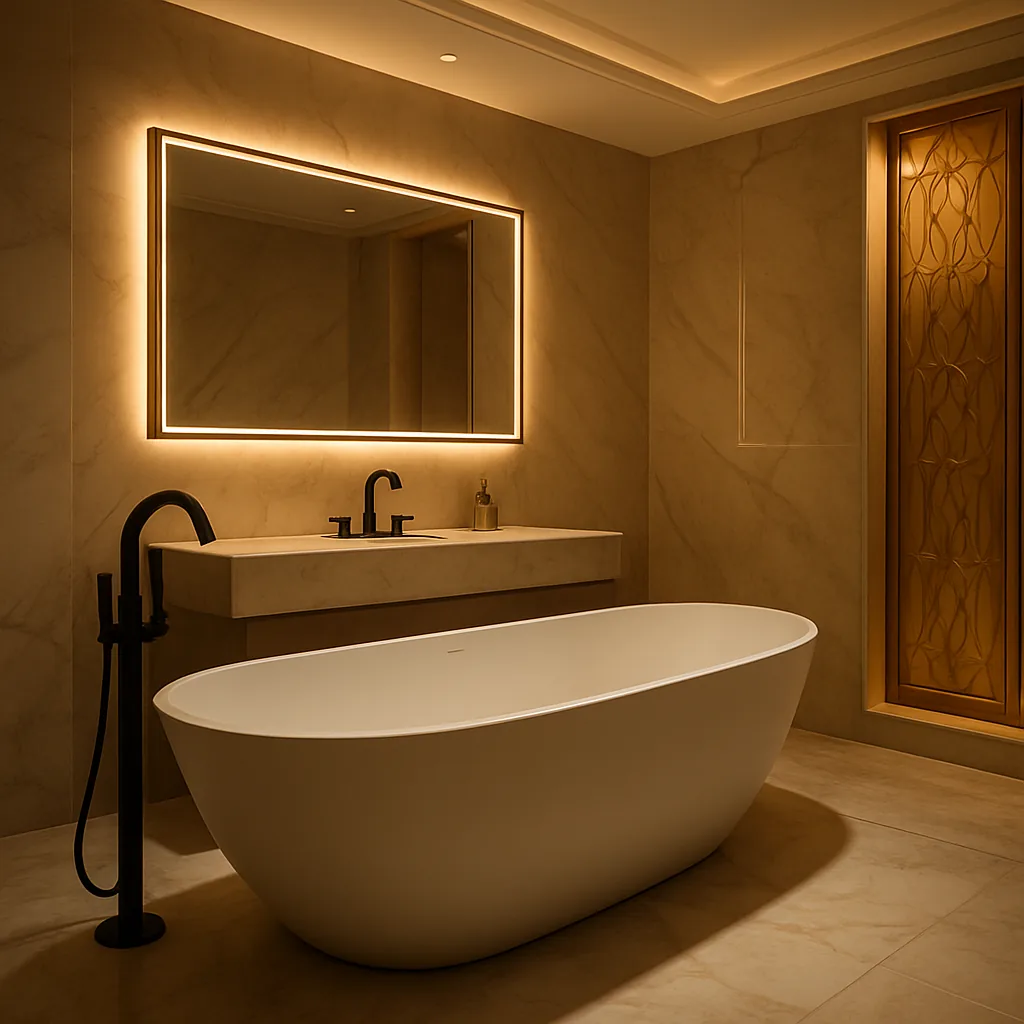
A freestanding bath is not merely a fixture — it is the central object around which the entire bathroom is organised. The moment it steps away from the wall, it becomes a sculpture, and bathing becomes a daily ritual.
In a premium bathroom the bath plays the same role as the table in a dining room or the bed in a bedroom: it defines the centre of the composition. Placed freely in space, surrounded by air on every side, it immediately elevates the room. That is why design should begin with it — with where it will stand and with what we will see while lying inside it.
Composition begins with a sightline
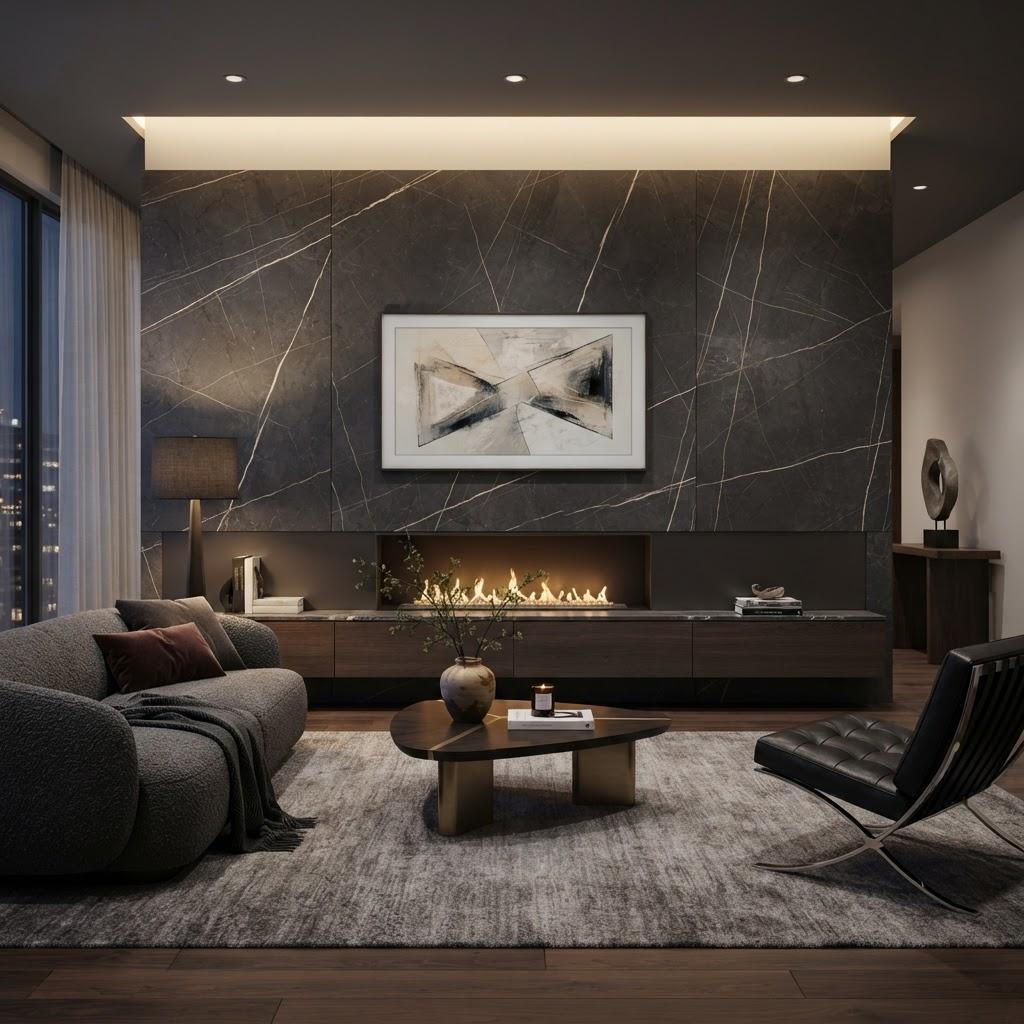
The best bathrooms have a clearly defined axis: the bath faces a window with a view, a fireplace, a striking large-format wall or a decorative panel. It is this framed view that conveys luxury — not the number of accessories, but a single, well-directed gaze.
Materials, light and the temperature of the interior
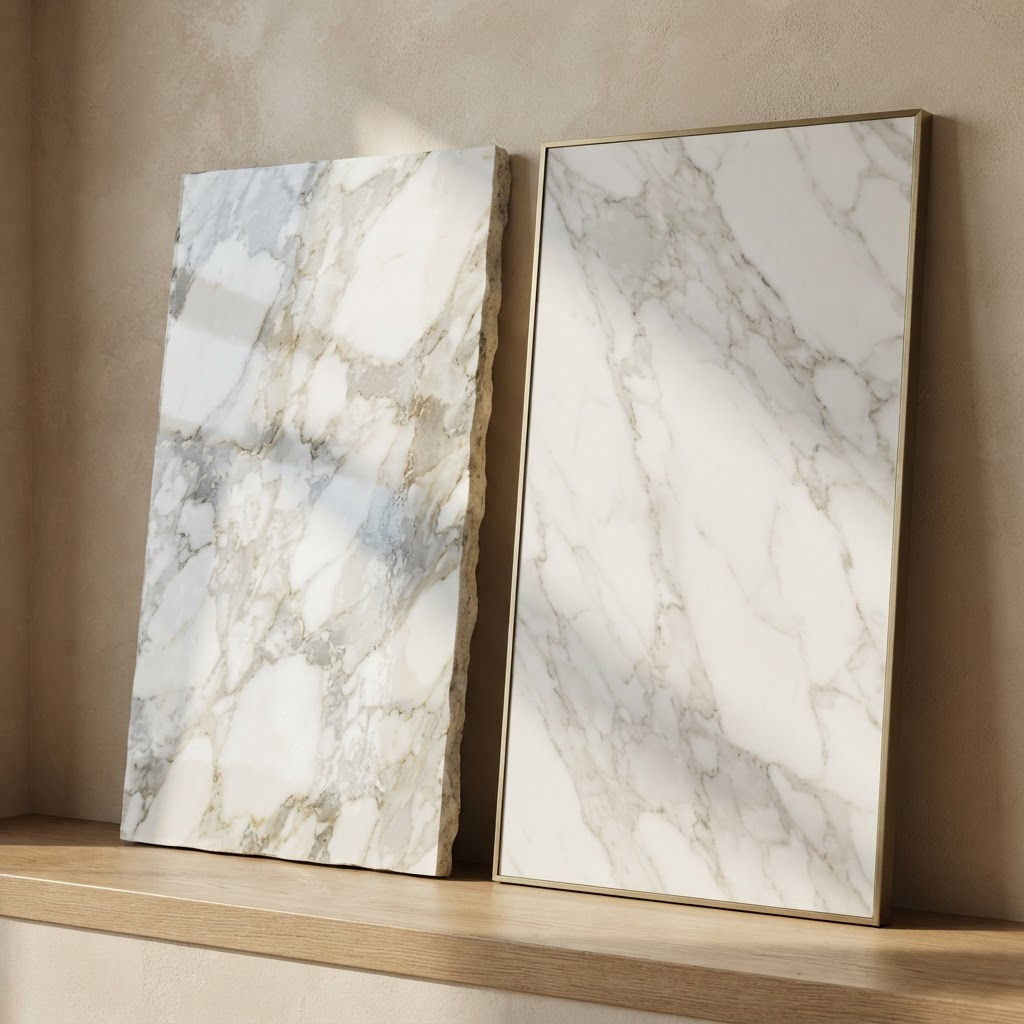
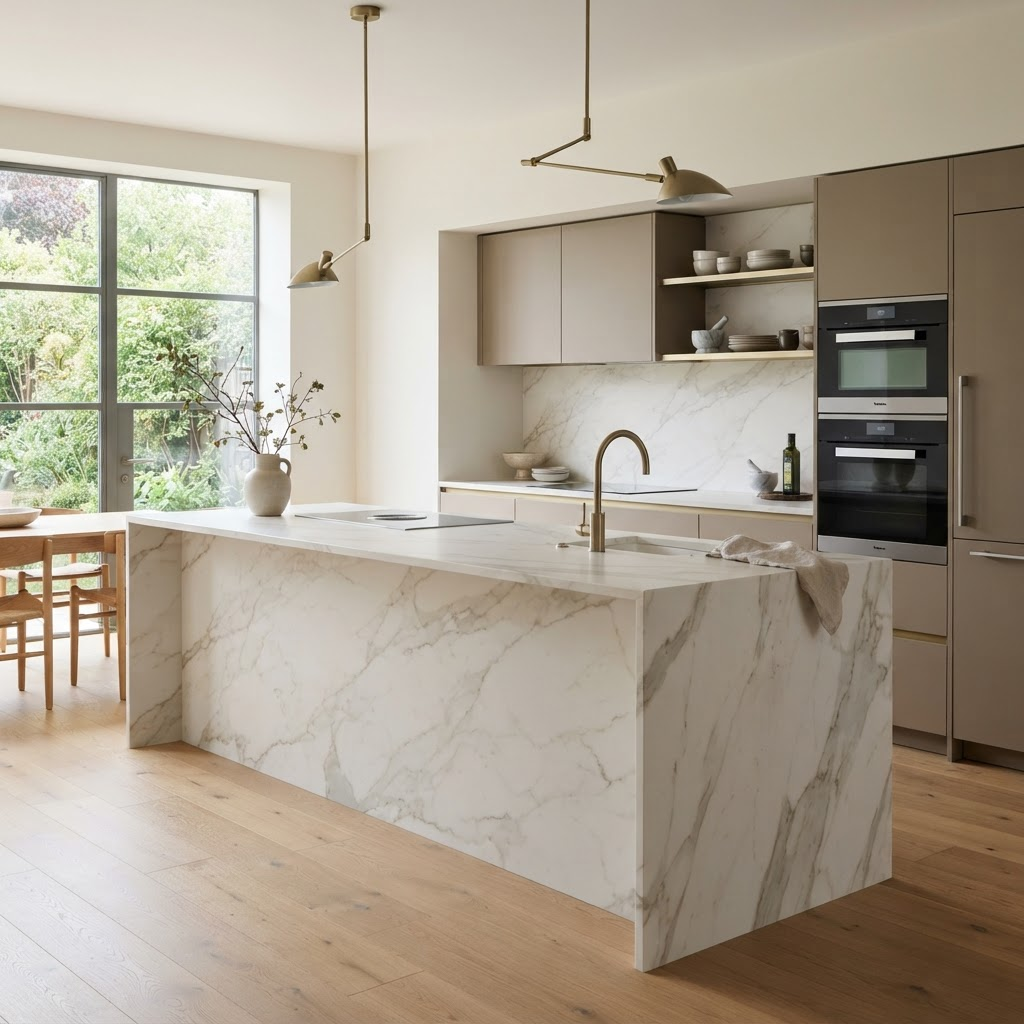
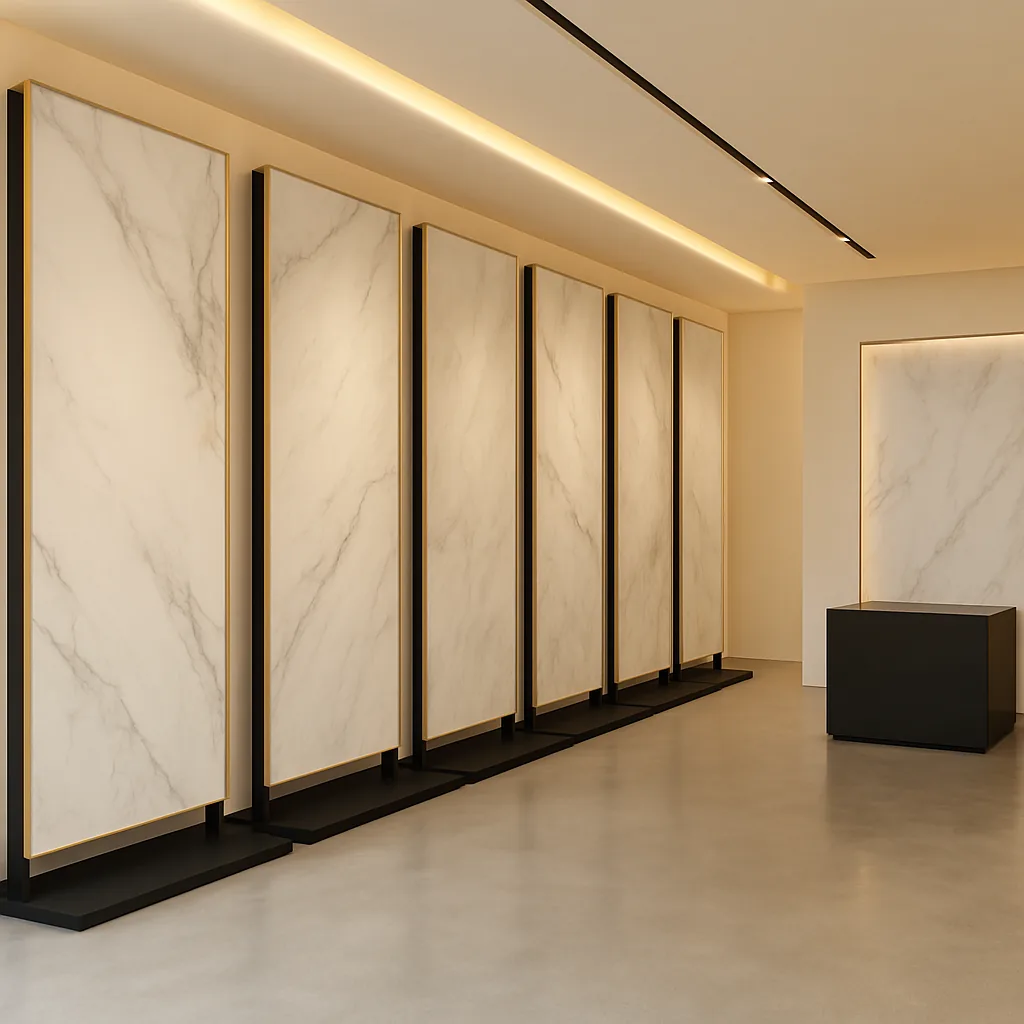
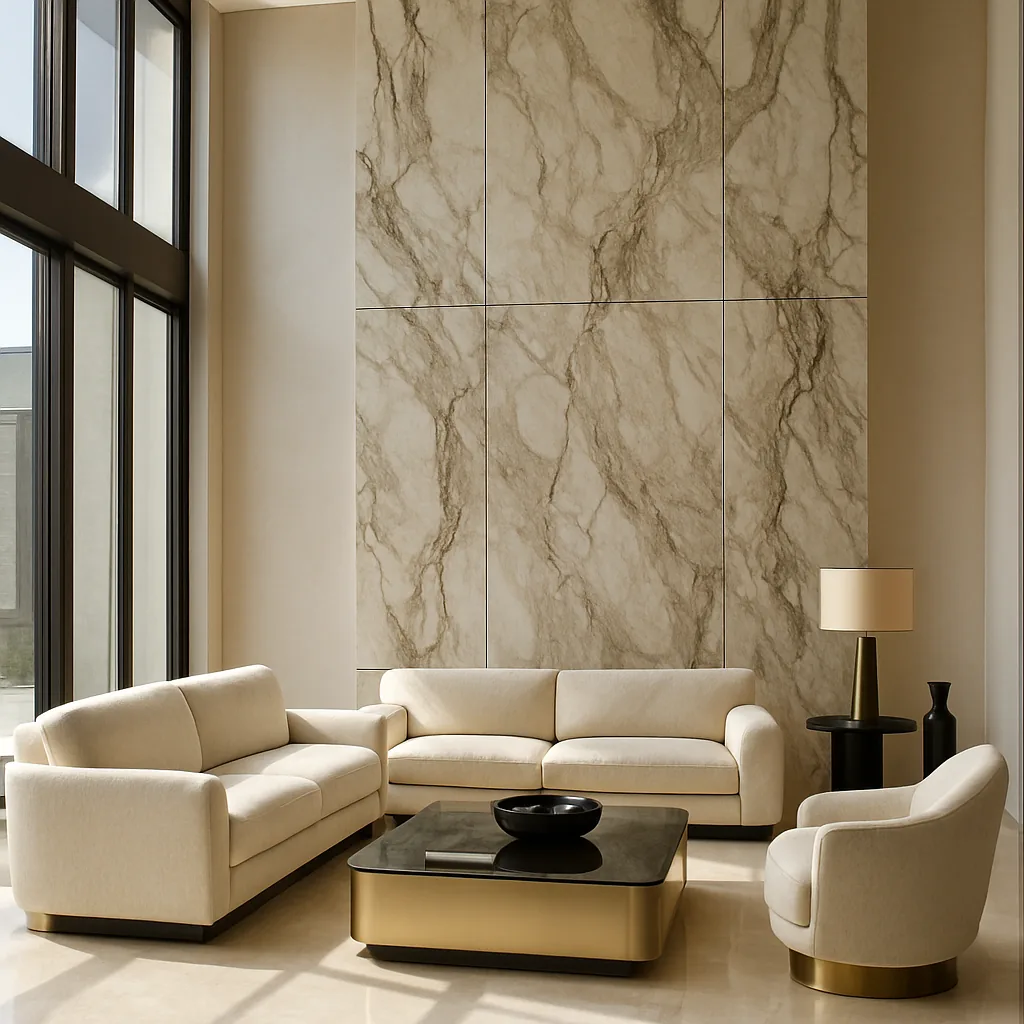
Four layers work around a bath: surfaces, fittings, light and soft textures. Large-format marble-effect slabs build the backdrop, fittings in gold or matte black set the accent, spot and linear lighting model the mood, and towels and textiles close it all with warmth. The key is consistency: one metal tone, a coherent palette and materials that speak to one another.
Luxury in a bathroom is not the number of functions, but the quiet of well-chosen proportions.
MARTESSA Atelier
What to keep in mind at the design stage
- Allow at least 60–80 cm of clear space around the bath so it truly stands free.
- Plan the water supply and floor drainage before you fix the position of the bath.
- Choose freestanding or ceiling-mounted fittings if the bath does not touch a wall.
- Provide underfloor heating and a towel point within arm’s reach.
- Set the lighting so it can be dimmed to a soft minimum in the evening.
A well-designed bathing zone works like a private spa at home. It does not demand a large footprint — it demands decisions: one bath, one axis and consistently chosen materials. Light does the rest.